
Describe the property
Send the location, symptoms, equipment and access details. State whether the work is a repair, replacement or planned project.
Need duct cleaning in Lakeshore? Tell us which air ducts, dryer vent or ventilation equipment need attention. A responding provider will confirm coverage and availability before booking.
Get A Free QuoteCompare supply and return coverage, debris containment, access limits, and photo records for a whole-system scope in a home or cottage.
View scopeAsk whether the full route to the exterior hood is included, how nests or damage are assessed, and whether airflow is checked after cleaning.
View scopeReview proposed blower, evaporator coil, and accessible heat-exchanger work, along with equipment protection and access requirements.
View scopeCompare core, screen, condensate path, exhaust-run, and termination coverage for the specific HRV and ventilation layout.
View scopeConsider treatment only after inspection and cleaning; request product, application, and written re-entry information before deciding.
View scopeDocument accessible leaks or damage, then compare inspection methods, mastic sealing, fastening, and replacement sections.
View scopeDefine included equipment, access, operating-hour constraints, and completion records for the particular building system.
View scopeCommercial duct-cleaning scope depends on the building and its equipment, so a marina shop, community hall, restaurant, and plaza unit should not be assumed to have the same system. For a Lakeshore property, share equipment types, operating hours, access restrictions, and any available drawings or prior reports. Ask whether make-up air, rooftop units, and connected duct sections are included, and what photographs and completion records will be supplied. Scheduling outside occupied hours may be worth discussing where building operations require it.
Compare supply and return coverage, debris containment, access limits, and photo records for a whole-system scope in a home or cottage. Ask whether the full route to the exterior hood is included, how nests or damage are assessed, and whether airflow is checked after cleaning. Review proposed blower, evaporator coil, and accessible heat-exchanger work, along with equipment protection and access requirements.
Compare core, screen, condensate path, exhaust-run, and termination coverage for the specific HRV and ventilation layout. Consider treatment only after inspection and cleaning; request product, application, and written re-entry information before deciding.
Document accessible leaks or damage, then compare inspection methods, mastic sealing, fastening, and replacement sections. Define included equipment, access, operating-hour constraints, and completion records for the particular building system.
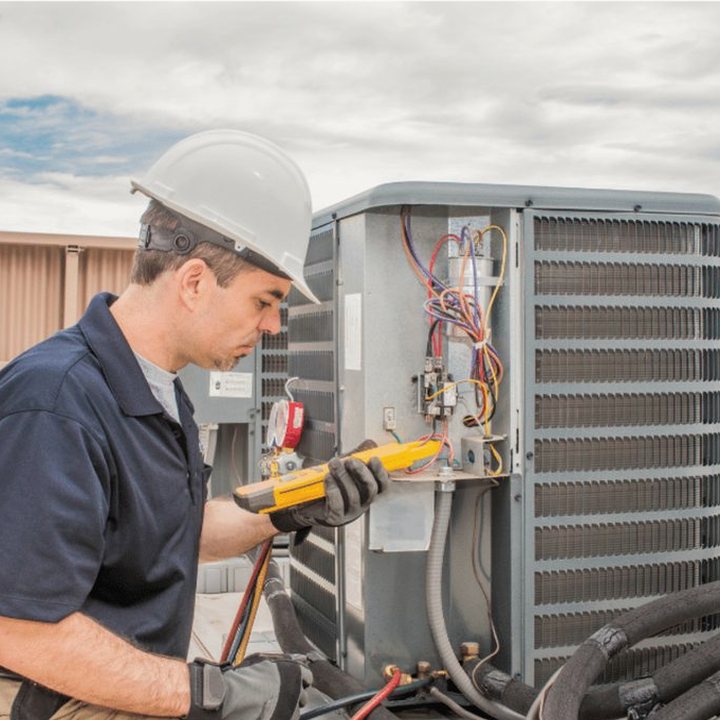
A dryer vent scope should follow the entire route from the appliance connection to the exterior termination, not stop at the wall. For a Lakeshore home or seasonal cottage, identify when the dryer was last used, whether drying takes longer than usual, and where the vent exits. Ask how lint will be removed, whether a visible nest or obstruction is included in the assessment, and how airflow will be checked after cleaning. Note any damaged duct sections for separate review.
Explore this serviceSend the location, symptoms, equipment and access details. State whether the work is a repair, replacement or planned project.
The request is reviewed so the responding provider can clarify the work, property access and service coverage.
Agree the provider identity, qualifications, written scope, pricing and visit window directly. Sending a form does not confirm an appointment.
A building with make-up air and rooftop equipment may need a different plan from one with a simpler duct layout. Provide equipment lists or drawings and request that the scope identify each included system and access point. Compare proposals by covered equipment and work areas rather than by hours alone, and ask how changes will be documented.
If ductwork was extended or changed over time, ask for a review of accessible runs, joints, and crawlspace sections before openings are made. Share any plans or previous repair records. A system map and documented leak findings help identify the actual repair locations and reduce uncertainty about which sections are included.
If a property sits closed for part of the year or has nearby sources of outdoor dust, note that when discussing timing and inspection. These conditions do not establish what is inside the ducts. Ask for visible findings and recommendations to be separated from assumptions, so the next cleaning interval can be based on the system's observed condition.
Ask what airflow check will be used at the exterior after cleaning and whether the result will be recorded. A post-work check helps compare conditions before and after, but it does not replace inspection of damaged ducting or appliance concerns. For a seasonal property, discuss timing before regular laundry use and include the hood in the plan.
For a seasonal property, discuss whether inspection is more useful before opening or after closing; for year-round use, ask what maintenance interval suits the specific equipment. Record filter sizes and locations before the visit, then confirm replacements or cleaning requirements from the unit information. Timing should reflect the equipment and observed condition, not a fixed local assumption.
Use the form to describe the property, the symptoms and the work requested. For Belle River, Stoney Point, Comber, Puce, include your postal code so local coverage can be checked.
For a property in Lakeshore and Essex, describe the work and access details in the form. The listed locations do not confirm a provider's travel range or availability.